Key takeaways
- Ozempic is a prescription drug that comes as a liquid solution. It’s given as a subcutaneous injection using prefilled pens. You’ll likely inject a dose once per week.
- Your doctor will start your treatment by prescribing a low dosage (also called a starting dosage), usually of 0.25 milligrams given once weekly. Your doctor will then adjust your dosage over time to reach the right amount for you.
- Your maintenance (long-term) dosage of Ozempic may depend on certain factors, such as the condition you’re using it for or any bothersome side effects you may have.
Keep reading for specific information about the dosage of Ozempic, including its strengths and how to inject the medication.
The Ozempic dosage your doctor prescribes will depend on the type and severity of the condition you’re using Ozempic to treat. They’ll prescribe the lowest effective dosage for you.
Ozempic forms
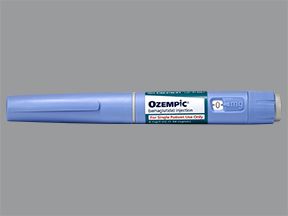
Ozempic comes as a liquid solution in prefilled single-patient-use pens. You receive the drug as a subcutaneous injection. After a healthcare professional has shown you how to inject Ozempic correctly, you may be able to give yourself the injections at home.
Ozempic strengths
Ozempic prefilled single-patient-use pens are available in three strengths:
- 2 milligrams (mg) per 3 milliliters (mL) of liquid solution. The pen with this strength delivers doses of either 0.25 mg or 0.5 mg.
- 4 mg/3 mL of liquid solution. There’s one pen with this strength, and it delivers 1-mg doses.
- 8 mg/3 mL of liquid solution. There’s one pen with this strength, and it delivers 2-mg doses.
Typical dosage schedules for Ozempic
Typically, a doctor will start on a low dosage. Then, they’ll adjust it over time to reach the amount that’s right for you. They will ultimately prescribe the lowest effective dosage.
The following information describes dosages that are commonly used or recommended. However, it’s important to take the dosage a doctor prescribes.They will determine the optimal therapeutic dosage for specific needs.
Ozempic dosage for managing blood sugar and lowering cardiovascular risks
For blood sugar management and reduction of cardiovascular risks, the dosing schedule for Ozempic is as follows:
- You’ll start with a dosage of 0.25 mg once per week. You’ll inject this dosage for 4 weeks.
- Then, your doctor will typically increase your dosage to 0.5 mg once per week. They’ll usually have you receive this dosage for at least 4 weeks.
- It’s possible that the 0.5-mg dosage may not adequately control your blood sugar after 4 weeks. If this happens, your doctor may increase your dosage to 1 mg once per week. Or your doctor might recommend the maximum dosage of 2 mg once per week. But if the 0.5-mg dose works for you, your doctor will typically have you keep receiving it.
Ozempic dosage for CKD
For people with CKD, Ozempic’s dosing schedule is as follows:
- You’ll start with 0.25 mg once per week, for 4 weeks.
- After this, your doctor will increase your dosage to 0.5 mg per week, for at least 4 weeks.
- Then, your doctor will likely increase your dosage again to 1 mg once per week. This is the recommended maintenance (ongoing) dosage.
Long-term use of Ozempic
Ozempic is intended for long-term use. If you and your doctor determine that Ozempic is safe and effective for you, you’ll likely use it long term.
Ozempic comes as a liquid solution in prefilled single-patient-use pens. You receive the drug as a subcutaneous injection. After a healthcare professional has shown you how to inject Ozempic correctly, you may be able to give yourself the injections at home.
Ozempic may be injected just under the skin of your:
- abdomen
- upper thigh
- back of your upper arm
If you also self-inject insulin for type 2 diabetes, you can inject Ozempic and the insulin in the same body part, such as your upper thigh. But you should not use the same spot for both injections. Using different spots can help prevent skin irritation. And keep in mind that you should not mix insulin and Ozempic together into the same injection.
Be sure to inject Ozempic on the same day each week. But you can receive your dose at any time of day, with or without food.
For instructions about how to self-inject Ozempic, see the drug’s prescribing information. You can also see detailed instructions and a dosage video on the manufacturer’s site.
If you have more questions about how to use Ozempic, talk with your doctor or pharmacist.
If you miss a dose of Ozempic, try to inject it as soon as you remember. You can receive a missed dose up to 5 days after you were originally supposed to inject it.
If more than 5 days have passed since your missed dose, skip the missed dose. Wait and administer your next dose at the regular time. You can then resume your usual dosing schedule with Ozempic.
To help avoid missing a dose, try using a medication reminder. This can include setting an alarm or timer on your phone or downloading a reminder app. A kitchen timer can work, too.
It’s important that you do not use more Ozempic than your doctor prescribes. For some medications, taking more than the recommended amount may lead to side effects or overdose.
If you inject more than the recommended amount of Ozempic
Call your doctor right away if you believe you’ve used too much Ozempic. Another option is to call America’s Poison Centers at 800-222-1222 or use its online tool. If you have severe symptoms, immediately call 911 or your local emergency number, or go to the nearest emergency room.
Here are some answers to frequently asked questions about Ozempic dosages.
Ozempic prefilled single-patient-use pens have different strengths and dosages. If you’re outside of the United States, you may hear Ozempic referred to as Ozempic DualDose. This refers to the pen that delivers 0.25-milligram (mg) or 0.5-mg doses.
Ozempic is not approved by the FDA for weight loss. But the drug may be prescribed off-label for this purpose. “Off-label” means a drug is prescribed to treat a condition other than one it’s approved for. The active drug in Ozempic, semaglutide, is also the active drug in the medication Wegovy. And Wegovy is approved for weight management. The dosage of Wegovy for weight management is similar to Ozempic’s dosage for diabetes. But there are some differences. As with Ozempic, Wegovy’s dosage starts at 0.25 mg once per week, and is typically increased in intervals of 4 weeks. But unlike Ozempic, Wegovy dosages can be increased up to 1.7 mg or 2.4 mg once per week. It’s important to note that Ozempic and Wegovy should not be used at the same time. Because both medications contain semaglutide, using Ozempic and Wegovy could increase the risk of side effects. If you’re interested in learning more about using Ozempic for weight loss or Wegovy for weight loss, a doctor can help.
Disclaimer: Medical News Today has made every effort to make certain that all information is factually correct, comprehensive, and up to date. However, this article should not be used as a substitute for the knowledge and expertise of a licensed healthcare professional. You should always consult your doctor or another healthcare professional before taking any medication. The drug information contained herein is subject to change and is not intended to cover all possible uses, directions, precautions, warnings, drug interactions, allergic reactions, or adverse effects. The absence of warnings or other information for a given drug does not indicate that the drug or drug combination is safe, effective, or appropriate for all patients or all specific uses.