
Some people using semaglutide (Ozempic, others) have noticed sagging skin in the buttocks after losing weight, calling it “Ozempic butt.” While lifestyle modifications may help prevent this side effect, a doctor may recommend surgery to treat excess, sagging skin.
Ozempic is approved for certain uses in adults with type 2 diabetes. Healthcare professionals may also prescribe it off-label to help with weight loss in people who have overweight or obesity. The Food and Drug Administration (FDA) has not approved Ozempic for weight management, but it has been shown to help manage body weight.
Keep reading for information about “Ozempic butt” and how to manage this potential side effect.
“Ozempic butt” isn’t a real medical term. It’s just what some people call sagging skin in the buttock area after losing weight with Ozempic. You might also hear about “Ozempic face,” which describes the same effect in facial areas.
Here’s what happens: When you lose a lot of weight quickly, you lose fat that once filled out your skin. At the same time, your skin has less collagen (a protein that provides structure to your skin) after weight loss surgery. And excess skin is common after significant weight loss, such as following a weight loss surgery. Without fat support and with less collagen, your skin may begin to sag.
Although Ozempic is not approved for weight loss, studies show that people using semaglutide (the active ingredient in Ozempic) lose about
With the increase in the use of semaglutide for weight loss, members of the American Board of Cosmetic Surgery (ABCS) are seeing more people who want treatment for excess skin. But this isn’t just about looks. Loose skin can be uncomfortable and, in some cases, can cause health problems.
The primary treatment is skin removal surgery, also called body contouring. During this procedure, surgeons:
- cut away excess skin and fat
- reposition and tighten (“lift”) the remaining tissue
- can work on other body parts, including the face, arms and legs, abdomen, back, and buttocks (called a butt lift)
If you’re thinking about surgery, talk with a doctor about your options. If you meet with a cosmetic surgeon for a butt lift, ask to see before-and-after photos of others in similar situations.
You can’t always prevent sagging skin after major weight loss, but the following strategies might help:
- adjusting your Ozempic dosage or treatment plan, which may help slow weight loss
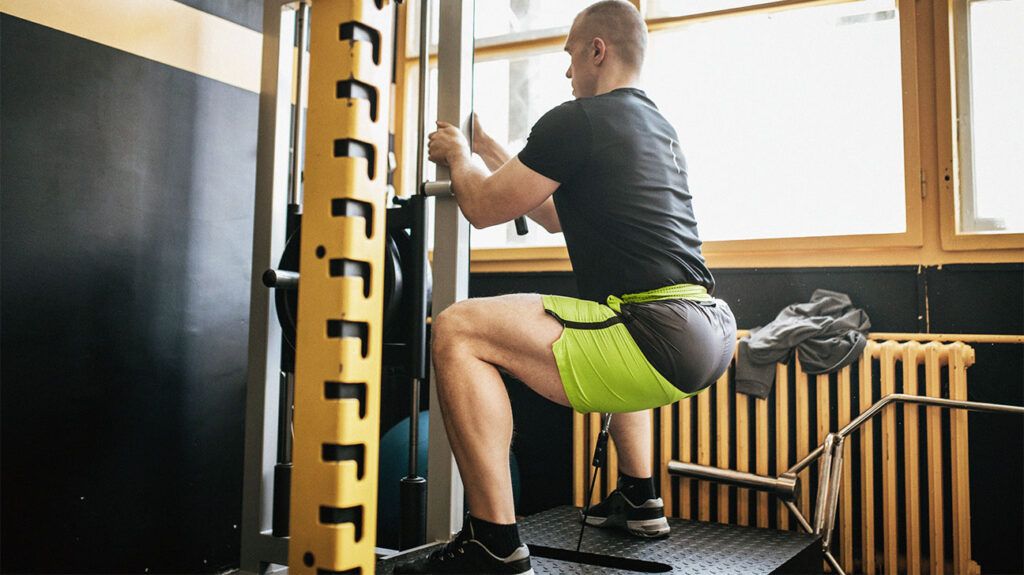
- doing resistance training, which builds muscle and may help rejuvenate your skin
- drinking plenty of water every day, which may increase skin elasticity
- eating a balanced diet, including protein, to help build muscle
Here are more ways to help firm up sagging skin.
What if I’ve already had a butt lift and I use Ozempic?
You may lose some fullness if you have had a butt lift and use Ozempic. A butt lift is a surgical procedure to shape the buttocks. It may involve skin grafting, skin removal, and implants. A Brazilian butt lift (BBL) grafts (transfers) fat tissue into your buttocks.
Ozempic causes overall weight loss, which includes fat cells in the graft, according to the ABCS. So using Ozempic after having a BBL may affect your BBL results.
A butt lift is a potential treatment for excess skin in the buttocks. For more information, see the “Ways to treat Ozempic butt and sagging skin” section.
If you have more questions about how Ozempic can affect a butt lift, talk with your doctor.
Are there risk factors for sagging skin from using semaglutide?
Some factors may affect your risk of sagging skin after weight loss using medications such as injectable semaglutide (Ozempic, Wegovy). For example, skin loses elasticity with age, so skin issues may be more common in older people. (Wegovy is approved to help with weight management in people with overweight or obesity.)
Currently, there aren’t any formal studies on “Ozempic butt.” The term primarily comes from social media posts and blog articles, including some by plastic surgeons.
Possible risk factors for sagging skin may include:
- how long you’ve had overweight or obesity
- the amount of weight you lose
- how quickly you lose weight
Your body shape before weight loss may also play a role. For instance, if you carry weight around your bottom, you may notice a loss of volume and an increase in excess skin in this area before areas of your body where you carry less weight. If you’re concerned about the effect of weight loss on your body contour, talk with your doctor.
If you’re interested in using Ozempic for weight loss, which is an off-label use, talk with your doctor first. They’ll help you decide whether it’s right for you and can suggest ways to reduce your risk of skin-related side effects.
Learn more about potential adverse effects of Ozempic.