
The Fast Facts
- Vegan protein powders support muscle gain and may help you meet daily protein needs, with options offering 20 to 30 grams of protein per serving.
- Plant-based proteins like pea, soy, and rice may support muscle gain and recovery as effectively as whey protein.
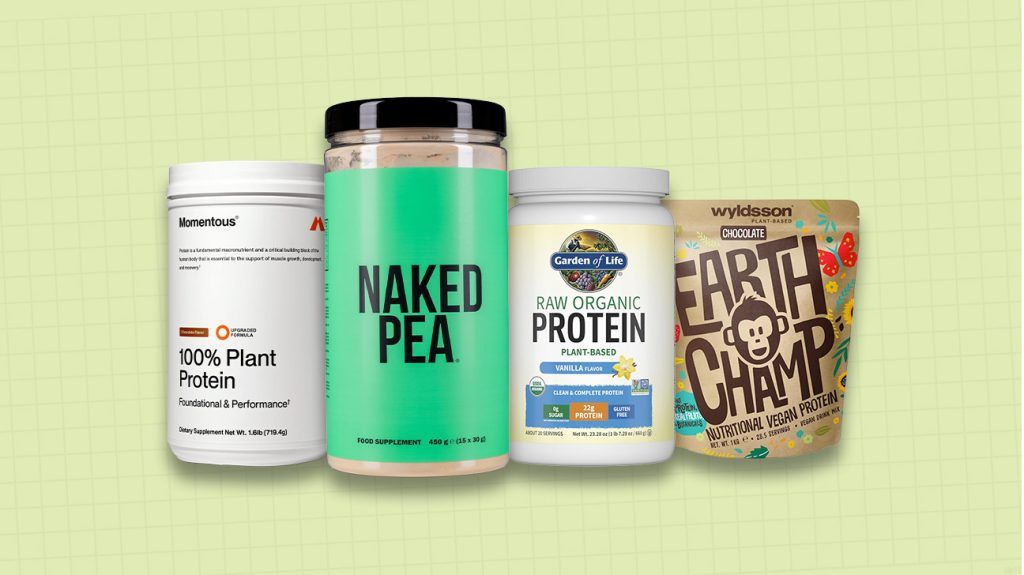
- Naked Pea Premium Pea Protein Powder offers 27 grams of protein per serving with just one ingredient: split yellow peas from North American farms.
- Best protein powder with superfoods: Ora Organic So Lean & So Clean Plant-Based Superfood Protein | Skip to review
- Best for protein from a range of sources: Orgain Simple Organic Plant-Based Protein Powder | Skip to review
Medical News Today has tested some of the products below. Reviewers may have received some products from the manufacturers for free, which does not influence their review. All opinions are the reviewers’ own.
The following table compares the protein powders in this article on price, flavors, serving sizes, and more.
| Protein Powders | List price | Flavors | Number of servings | Serving size | Protein content |
|---|---|---|---|---|---|
| Naked | around $20 | • unflavored • vanilla • chocolate • chocolate and peanut butter • double chocolate | 15 per container | 2 scoops (30 g) | 27 g per serving |
| True | $15 | 34 flavors | 14 per 454 g container | 1 scoop (34 g) | 30 g per serving |
| Garden | around $35 | • vanilla • chocolate | 20 per 660 g container | 1 scoop (33 g) | 22 g per serving |
| Anthony’s | around $23 | unflavored | 90 per 907 g container | 1 tablespoon (10 g) | 8 g per serving |
| Momentous | around $48 | • vanilla chai • chocolate | 20 per 754 g container | 1 scoop (37.7 g) | 20 g per serving |
| Ora | around $45 | • unsweetened • vanilla • chocolate • vanilla chai | 20 per 600 g container | 2 scoops (30 g) | 23 g per serving |
| Orgain | around $25 | • chocolate • vanilla | 15 per 567 g container | 2 scoops (38 g) | 20 g per serving |
| KOS | around $56 | 6 flavors | 28 servings per 1092 g container | 2 scoops (39 g) | 20 g per serving |
Medical News Today features vegan protein powders that meet the following criteria:
- Quality of ingredients: All of the protein powders in this article contain high quality proteins suitable for vegans. We also choose products that are free from artificial ingredients, such as flavoring, colors, or additives.
- Low fat and sugar content: Where possible, we suggest products that do not contain high amounts of added sugar or fat.
- Complete amino acid profile: We chose protein powders that provide people following a vegan diet with all the essential amino acids they need.
- Testing and brand reputation: We aim to feature products that go through third-party testing for quality and safety. We also choose brands on their reputation among customers.
- Certifications: We aim to select products with certifications for non-GMO or organic ingredients, among others, relating to quality.
- Price: We offer protein powders for a range of budgets.
Medical News Today follows a strict product selection and vetting process. Learn more here.
Protein is needed for more than just muscles or bulking up. It is important for the function of almost every body part, including skin, bones, muscles, and organs. Protein helps the body repair and make new cells.
According to The European Food Information Council, a plant-based diet can provide all the protein necessary if people plan it carefully. It suggests people choose protein-rich plants and combine various protein sources throughout the day. Examples of protein-rich plants include
Other ways to get more protein on a vegan diet
People can also get more protein by consuming foods that have unexpectedly high protein content. These include:
tempeh , which contains 23.5 g of protein per 100 g servingseitan , which contains 17.9 g of protein per 100 g servingedamame , which contains 10.6 g of protein per 100 g servingkidney beans , which contain 23.6 g of protein per 100 g servingnutritional yeast , which contains 50 g of protein per 100 g serving
A
According to the 2025–2030 Dietary Guidelines for Americans, adults require 82 to 109 g of protein daily. However, the optimal intake may vary according to the amount of exercise or activity a person does.
People may wish to consider the following when purchasing protein powder.
- Protein content: Higher protein powders suit muscle building; low protein options are available for minimal supplementation.
- Ingredients: Consider organic, low fat content, and no added sugars for a balanced powder.
- Allergens: Check labels for allergens, but cross-contamination risk may exist in manufacturing facilities.
- Taste: Some powders mask the flavor of pea or plant protein blends, improving taste.
- Blending: Customer reviews can help identify powders that mix smoothly without grittiness.
- Price: Evaluate cost per serving rather than overall price for better value.
- Third-party testing: Look for brands with third-party lab testing for quality and purity assurance.
- Health goals: Choose powders based on protein amount, ingredients, and calories aligned with personal goals.
- Safety: Discontinue use if adverse effects occur; consult a doctor if pregnant or breastfeeding.
A 2019 study suggests that a higher protein diet can lead to benefits for muscle mass. However, a 2023 study found that vegan diets may not provide sufficient protein. Different vegan protein powders contain different amounts of protein per serving. However, supplementing a balanced vegan diet with vegan protein powder may help people consume more protein, leading to muscle gain.
The best vegan protein powder may vary between people, and individuals may consider different factors when choosing products. Protein and calorie content can vary widely between companies and even between flavors from the same company. Price may also be a factor, with some people preferring to spend more on personalized products. Carefully studying a product’s ingredients, available nutritional information, and pricing can help a person make an informed choice.
A complete protein contains all nine essential amino acids, which are specific amino acids required for growth or nitrogen balance in humans. Most animal-based protein sources, such as milk and eggs, are complete protein sources. However, plant proteins may have insufficient levels of essential amino acids.
A 2020 study shows that soy, canola, potato, pea, and quinoa proteins have comparable levels of most essential amino acids to milk. Vegan protein powders derived from these sources may be suitable options for people aiming to increase the intake of complete vegan proteins.
Different vegan protein powders come from different plants. Some vegan protein powders contain very few ingredients, so they may suit people with allergies or sensitivities. Other vegan protein powders use many different plant-based ingredients and may suit people looking to supplement their diet with other vitamins and nutrients in addition to protein.
The best vegan protein powders offer the full range of amino acids a person needs. They will also be free of allergens, artificial flavors, and colors. Some vegan protein powders contain protein from multiple sources, such as rice and soy, whereas others contain protein from a single ingredient, such as peas.
Although these protein powders can supplement a person’s daily protein intake, they are not a substitute for a nutritious, balanced diet.