
Food that can support insulin sensitivity include non-starchy vegetables, whole grains, and citrus fruits. People with insulin resistance may also wish to limit sugary drinks and highly processed foods.
Insulin resistance occurs when the body’s cells cannot use insulin effectively. Insulin is a hormone that helps the body absorb glucose and balance the blood sugar levels. Insulin resistance makes it harder for the cells to take in glucose.
Over time, insulin resistance can cause health problems, including damage to the organs, muscles, limbs, and eyes.
Certain diet and lifestyle habits can affect the risks related to insulin resistance. For example, eating or limiting certain foods can improve insulin sensitivity (the body’s response to insulin), reduce insulin resistance, and decrease the risk of developing type 2 diabetes.
The most suitable diet for people with diabetes
Additionally, although people with insulin resistance do not need to entirely eliminate any foods from their diet, it is important to understand how certain foods may affect blood sugar levels.
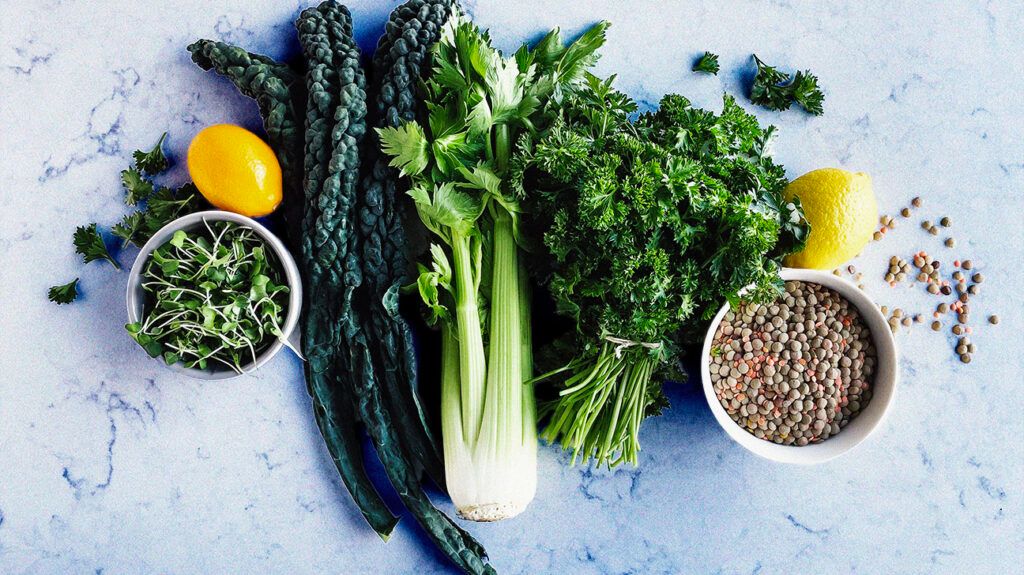
The following foods may support insulin sensitivity and reduce the risk of developing diabetes in general:
| Food type | Examples |
|---|---|
| non-starchy vegetables | • broccoli • dark leafy greens • tomatoes • peppers |
| citrus fruits | • lemons • oranges • limes |
| high fiber foods | • beans • lentils • nuts • seeds |
| whole grains | • oats • quinoa • barley |
| protein-rich foods | • lean meats • fish • soy • legumes • nuts • unsweetened yogurt |
| fish with high omega-3 fatty acid content | • salmon • sardines • herring |
| foods containing antioxidants | berries |
It is also important for people with insulin resistance to
Certain foods are more likely to raise blood sugar. Regularly eating foods that are high in added sugar or carbohydrates
Limiting the following foods
- sweetened drinks, including fruit juices and soda
- alcohol
- foods high in salt, including chips, other highly processed snacks, and boxed meals
- foods high in saturated fat, including fatty cuts of meat and some fried foods
- sugary sweets such as cupcakes, ice cream, and chocolate bars
- refined grains such as white bread, rice, pasta, and flour-based foods, which are lower in fiber than whole grain versions
Finding a healthy balance
People can still eat foods on the above list occasionally without affecting their long-term insulin sensitivity. The key is to limit these foods and replace them with more nutritious options when possible.
People with insulin resistance
Regular physical activity can also be helpful. Taking walks regularly or staying active throughout the day may help
Additionally, some people may be able to reduce their risk of developing type 2 diabetes by losing
These changes may also reduce a person’s risk of heart disease and other health conditions.
Nutrition resources
For more science-backed resources on nutrition, visit our dedicated hub.
Eating a balanced diet that includes a variety of nutrients
Mediterranean diet
The Mediterranean diet is an eating plan inspired by a specific culture that
People following this diet eat fish, lean meats, legumes, and nuts as main protein sources and enjoy dairy products in moderation.
People following the Mediterranean diet also limit their intake of red meat and may consume red wine in moderation during meals.
In a large 2018 study, researchers found that women who followed the Mediterranean diet had about a
A 2022 review suggests that the high magnesium content of the Mediterranean diet may be beneficial since magnesium deficiency has an association with insulin resistance.
DASH diet
The Dietary Approaches to Stop Hypertension (DASH) diet may also help improve insulin resistance.
This DASH diet
- fruits
- vegetables
- whole grains
- low fat dairy
- fats and oils
- meat, fish, or poultry
One way to manage blood sugar levels and reduce insulin resistance may be to eat foods with a low glycemic index (GI) and glycemic load (GL).
The GI lists carbohydrate-containing foods according to how quickly they increase the glucose levels in a person’s blood. GL
Carbohydrate foods with a high GI and GL can cause blood sugar spikes and place more demand on the body to produce insulin. Conversely, the digestive system processes foods with a low GI and GL slowly, which reduces blood sugar spikes.
Eating foods with a low GI and GL may help stabilize a person’s blood sugar levels and preserve insulin sensitivity. This category includes many fruits and vegetables, whole grains, and legumes.
The following factors can also influence insulin resistance and the risk of diabetes:
- Body weight: Insulin resistance can develop at any weight, but overweight or obesity
may increase the risk. A2024 study associated weight gain with insulin resistance. - Sedentary lifestyle: Physical activity
can increase insulin sensitivity. Most adults should aim to get at least150 minutes of exercise per week. - Smoking: Smoking may negatively affect insulin sensitivity and insulin production. A 2018 study concluded that current smokers had a higher risk of diabetes.
- Sleep: A 2022 review associated short sleep duration with insulin resistance. The authors suggested that more research is necessary to understand the link between insulin resistance and sleep deprivation.
- Age: People ages
45 years and older may have a higher risk of insulin resistance. - Medications: Various medications
may contribute to insulin resistance, including glucocorticoids, antipsychotics, and selective serotonin reuptake inhibitors.
Underlying health conditions and certain types of ethnicity may also increase the risk of insulin resistance.
According to the
- African Americans
- Hispanic people
- Native Alaskan people
- American Indian people
- Native Hawaiian people
- Pacific Islander Americans
Insulin resistance occurs when the body’s cells become less effective at absorbing glucose from the blood. Diet plays an essential role in preventing or managing insulin resistance.
A balanced diet and regular physical activity can reduce a person’s risk. People may benefit from consuming more foods that are high in fiber, protein, and heart-healthy fats.
Managing any underlying health conditions, getting plenty of sleep, and finding ways to manage or reduce stress levels may also help promote overall health and improve insulin resistance.