





The Fast Facts
- Research shows mixed results on the effectiveness of antioxidant supplements, and experts suggest that most people get adequate antioxidants from a balanced diet.
- Antioxidants help neutralize free radicals and reduce oxidative stress. However, the body needs a balance between reactive oxygen species (ROS) and antioxidants.
- One of our picks, HUM Nutrition Collagen Love, combines antioxidants, hyaluronic acid, and polyphenol-rich extracts like grape seed to support skin health.
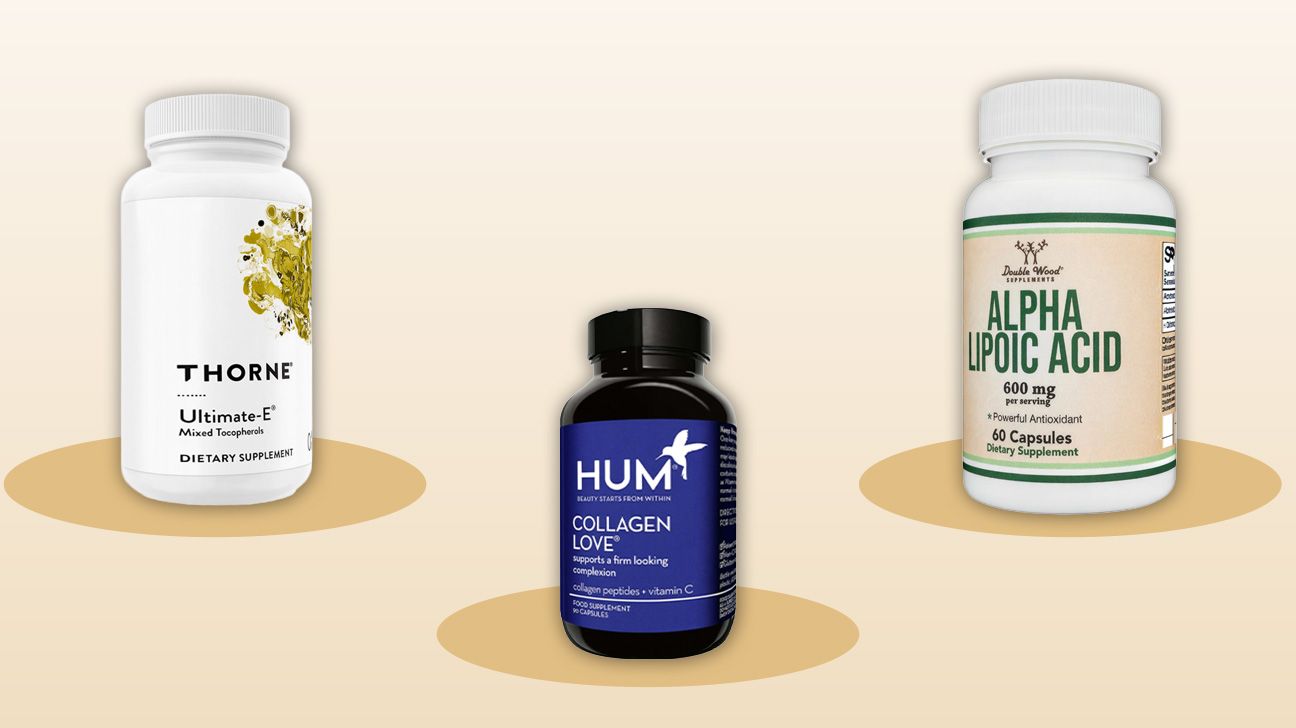
Antioxidant vitamins are popular, but they may not always be necessary. If you eat a balanced and varied diet and prioritize including antioxidant-rich foods, you probably don’t need to take antioxidant supplements too.
If you’re interested in exploring antioxidant supplements, check out our top picks below.
Terms to know
Understand the terminology you’ll often see used on antioxidant vitamins:
- Free radical: Free radicals are unstable molecules that can damage cells, proteins, and DNA. They lack the correct number of electrons to become stable, so they bind to other atoms in the body to fill the gap. They’re a natural part of cell metabolism, so you can’t completely get rid of them.
- Antioxidant: An antioxidant is a substance that helps protect cells by neutralizing free radicals. They do this by donating electrons to stabilize free radicals.
- Oxidative stress: This occurs when there are more free radicals in the body than antioxidants to neutralize them. Oxidative stress can cause cell and tissue damage and lead to certain diseases.
- Polyphenol: These are naturally occurring plant compounds that have antioxidant properties. They may help protect against inflammation and disease.
| Brands | Best for | Main antioxidants | Price |
|---|---|---|---|
| HUM | skin | • vitamin C • grape seed extract • red wine extract | $$ = $20 to $40 |
| Thorne | cardiovascular health | • vitamin E | $$$ = over $40 |
| NOW Foods | all-rounder | • rosemary • GSE • quercetin • gingko biloba • cranberry | $$ = $20 to $40 |
| Double Wood | nerve health | ALA | $ = under $20 |
Scientific evidence shows that antioxidants help maintain cellular balance, support immune and cardiovascular function, and may reduce tissue injury linked to aging, inflammation, neurodegeneration, and metabolic disease.
The body produces some antioxidants naturally, but many others come from fruits, vegetables, nuts, and whole grain foods.
Medical Perspective“Vitamin antioxidants are best obtained through a balanced diet, and supplements are generally only recommended by a healthcare professional for specific medical conditions or deficiencies as high intake can be counterproductive and dangerous. An example of an appropriate antioxidant supplement recommendation is vitamin C for those who smoke as they may benefit from additional intake.
Learn all about antioxidants here.
Quotes represent the opinions of our medical experts. All content is strictly informational and should not be considered medical advice.
Research shows mixed results regarding the benefits of antioxidant supplements, and more research is needed overall. Some experts say that taking in antioxidants from your diet is enough. In fact, taking antioxidants in too high a dose can turn them into pro-oxidants.
One 2022 review explains that reactive oxygen species (ROS) are needed to contribute to the normal functioning of cells, and the body needs a balance between ROS and antioxidants working to control and reduce oxidative stress. However, research has not shown that introducing more antioxidants into the diet or through supplementation helps.
In fact, the authors of this review stated that antioxidant supplementation did not always show significant benefits in scientific studies. In healthy people, the antioxidant system typically already works well and doesn’t benefit from supplementation. In addition, they explained that reducing ROS too much may negatively affect the normal function of cells.
Plus, supplements typically isolate a few specific antioxidants, whereas eating a balanced diet means you can benefit from a wider range of antioxidant compounds and other nutrients your food provides.
If you have high levels of oxidative stress in your body, or you’re low on antioxidants, diet changes or supplementation may be appropriate. But you should speak with a healthcare professional before making any changes to your diet, medication, or supplementation.
Our Medical Standards and Insights team has carefully researched and vetted over 11,000 products and services. We fact-check health claims, evaluate ingredients, and look into each brand’s reputation before sharing products and services on Healthline. The brand we feature in this article has passed our strict vetting proces. Read more about how we test dietary supplements, vitamins, and minerals.
When buying vitamins, consider the following:
- Health claims: Results from scientific research are generally mixed when it comes to the health benefits of antioxidant supplements, but some brands may make unfounded health claims or overpromise what their supplements can achieve. They are not meant to act as a cure for diseases or replace appropriate medical care.
- Your diet: You may already be getting the benefits of antioxidant vitamins through some of the foods you eat, meaning supplements may not always be necessary. Review your diet and discuss whether antioxidant vitamins are appropriate for you with a healthcare professional before spending your money.
- Dose: Some supplements contain very high amounts of certain vitamins or minerals. If you are not deficient in any vitamins, you may not need to supplement your diet, and you should be wary of taking too much of certain nutrients. While the body can excrete excess amounts of certain vitamins, speak with a doctor to get advice on what’s most appropriate for your health goals.
- Third-party testing: Prioritize buying supplements from brands that put their products through third-party testing. This means their products have gone to an independent lab to verify their ingredients and been tested for safety and purity. Brands should make their third-party test results easy to access for buyers. You can always reach out to the brand to find out more about their test results and processes, too.
Vitamins A, C, and E are antioxidants. Vitamin A is found in beef, salmon, goat cheese, and sweet potatoes, among many other foods. Vitamin C is in foods such as citrus fruits, broccoli, and peppers. Vitamin E is in spinach, sunflower seeds, and certain nuts.
Each of these vitamins can bind to free radicals and reduce oxidative stress in the body.
There is no single best antioxidant vitamin. Vitamins A, C, and E are readily available in a wide range of foods, so it can be very simple to introduce antioxidants into the diet.
Yes, antioxidants can reduce ROS in the body. However, it’s important to note that the body naturally produces ROS, and they are needed to contribute to normal cell and immune functioning.
Antioxidants may be most beneficial to people who have an antioxidant deficiency or high oxidative stress, rather than generally healthy people with a good balance of ROS and antioxidants.
Antioxidant vitamins can help to reduce oxidative stress in the body. However, most people don’t need to take antioxidant supplements as they get adequate antioxidants through their diet.
Speak with a healthcare professional about whether antioxidant supplementation would benefit you.